Overview
Namibia is unlike anywhere else in Africa. A vast, sparsely populated country along the Atlantic coast of Southern Africa, it is a destination defined by extremes: the ancient red dunes of Sossusvlei, among the tallest in the world; the skeleton-strewn beaches of the Skeleton Coast, where desert meets ocean in one of the world's most inhospitable environments; the wildlife-rich grasslands of Etosha National Park; and the extraordinary Fish River Canyon, second in size only to the Grand Canyon.
Namibia receives far fewer visitors than its southern neighbours, which means the landscapes and wildlife feel genuinely uncrowded. Self-drive itineraries are popular and practical here — Namibia's roads are among the best maintained in Africa, and the country's small population means that vast wilderness areas can be traversed with almost no other traffic. For travelers who want to feel truly alone in Africa, Namibia delivers that experience consistently.
The country is also home to some of Africa's most remarkable cultural encounters. The Himba people of the Kunene region — semi-nomadic pastoralists who have maintained their distinctive culture, language, and aesthetic practices for centuries — offer one of Africa's most respectful and genuine cultural engagement opportunities. San Bushmen communities in the Nyae Nyae Conservancy share tracking and foraging knowledge passed down through 10,000 years of inhabiting the Kalahari.
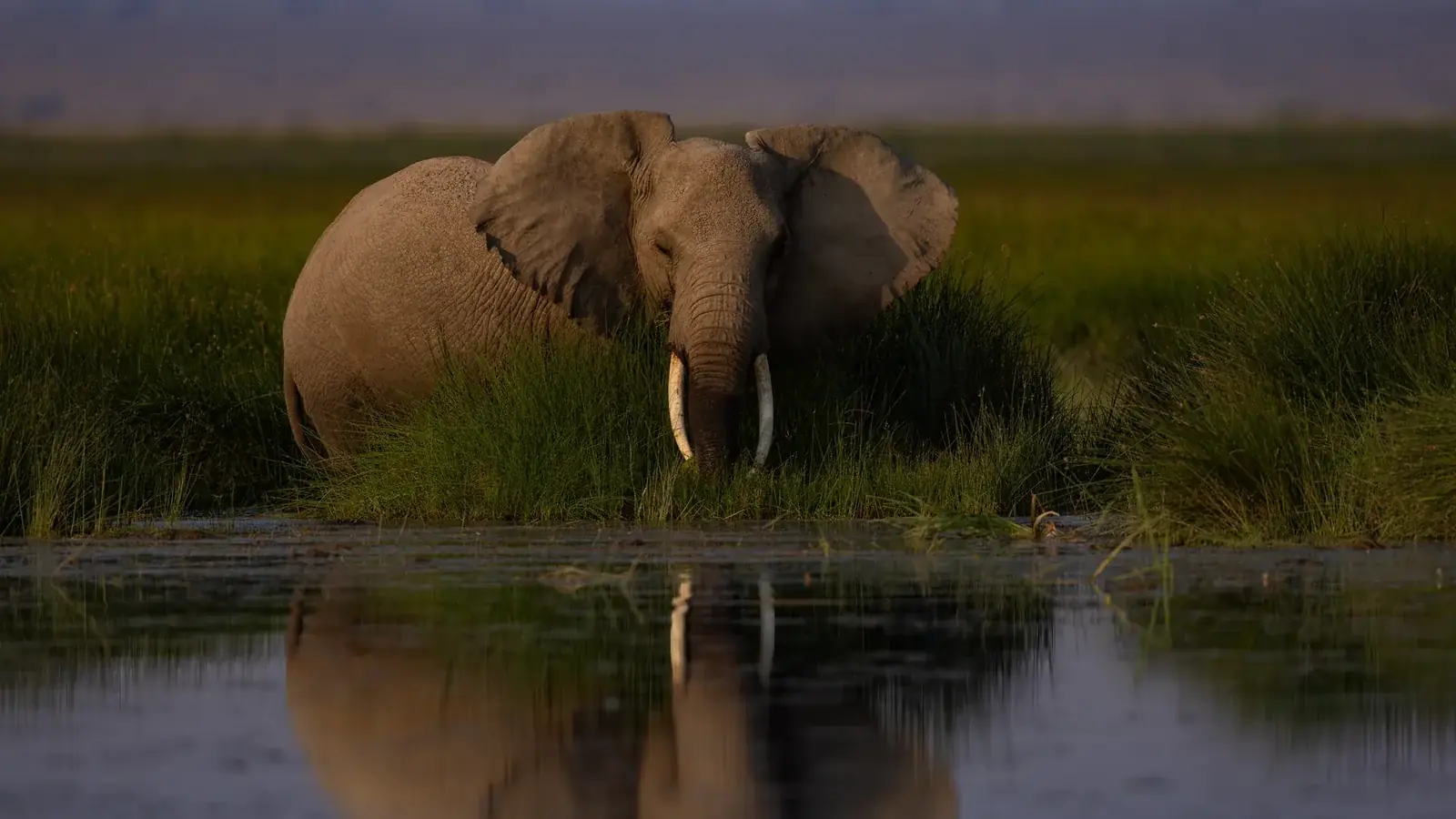
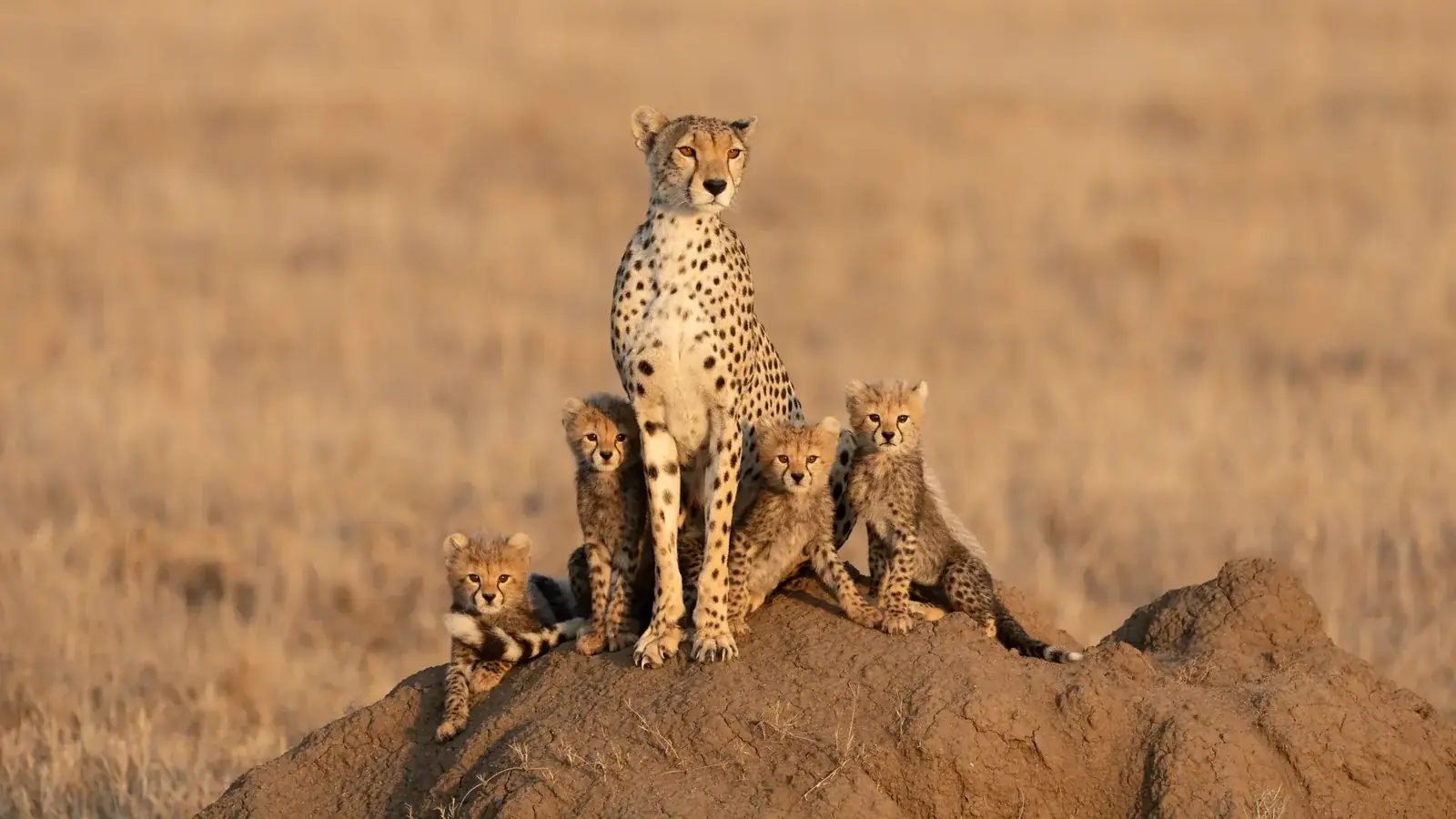
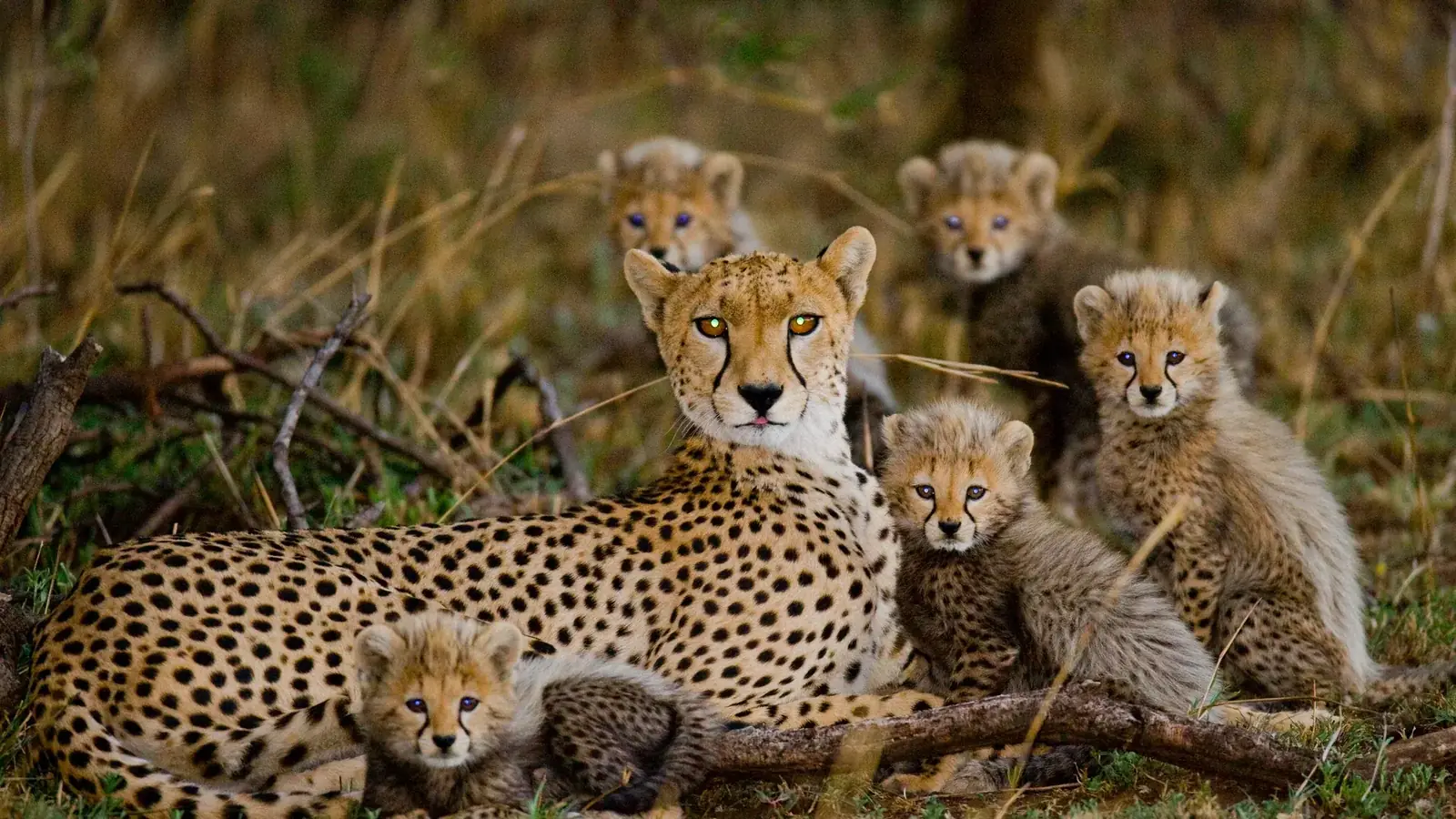
Namibia's commitment to community-based natural resource management (CBNRM) has resulted in wildlife populations recovering dramatically outside of formal protected areas — including the world's largest free-roaming cheetah population, desert-adapted elephant and lion in the Kunene, and a thriving black rhino population in Damaraland.
Signature Experiences
Best Time to Visit
Namibia is predominantly a dry country and can be visited year-round. The coolest and driest months (May–September) are ideal for self-drive and lodge-based itineraries, with pleasant temperatures and excellent road conditions. Game viewing in Etosha is best in the dry season when animals congregate at waterholes. The summer months (November–March) bring dramatic desert thunderstorms, green landscapes, and exceptional birdlife, including flamingos at Etosha's pans — though roads in some areas become temporarily impassable.
Key Areas & Sub-Destinations
Practical Tips
Namibia does not require malaria prophylaxis in the dune and canyon regions (Sossusvlei, Fish River Canyon) but malaria risk is present in the northern regions (Etosha, Kunene, Caprivi Strip) — particularly in the wet season. Self-drive is practical and popular; a 4x4 is recommended for routes beyond the main tourist circuits. Most nationalities receive a 90-day visa-free entry.
Best For
→ Plan your Namibia journey — submit an enquiry to receive a tailor-made proposal.
How to plan Namibia
Namibia is predominantly a dry country and can be visited year-round. The coolest and driest months (May–September) are ideal for self-drive and lodge-based itineraries, with pleasant temperatures and excellent road conditions. Game viewing in Etosha is best in the dry season when animals congregate at waterholes. The summer months (November–March) bring dramatic desert thunderstorms, green landscapes, and exceptional birdlife, including flamingos at Etosha's pans — though roads in some areas become temporarily impassable.
Sossusvlei and the Namib-Naukluft National Park — dune sea and ancient landscapes, Etosha National Park — 22,000 km² wildlife sanctuary, excellent self-drive, Swakopmund — adventure hub on the Skeleton Coast, Damaraland — wilderness lodges, desert elephants, and Twyfelfontein rock art
Self-drive adventurers and overlanders, Landscape and wildlife photographers, Cultural travelers seeking authentic encounter, Couples wanting remote wilderness romance, Conservation-focused travellers
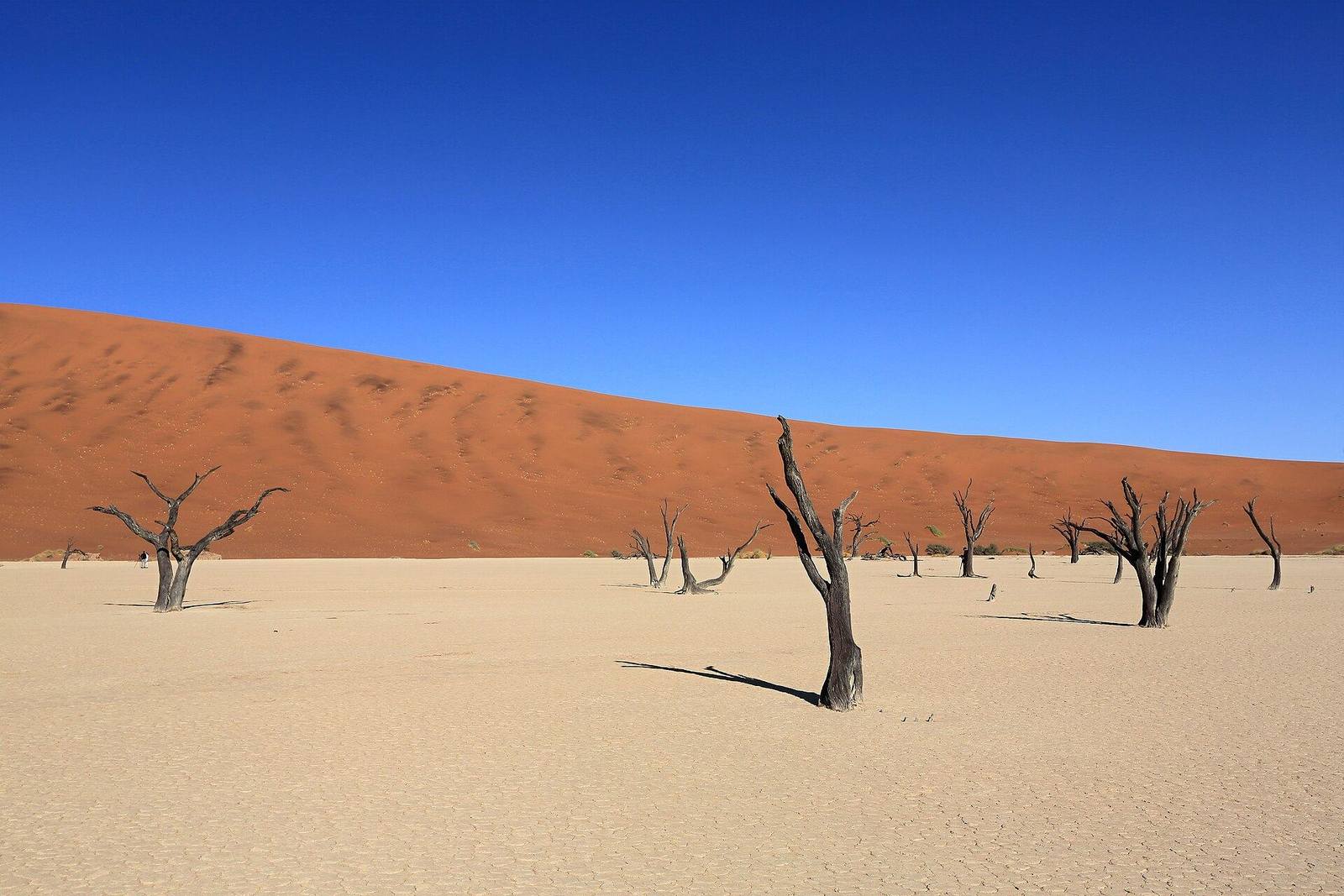
- Sossusvlei dune climbing at sunrise — Dune 45 and the Big Daddy dune
- Dead Vlei — ghostly camel thorn trees in a white clay pan, one of Africa's most photographed landscapes
- Etosha National Park waterholes — floodlit night viewing for nocturnal wildlife
- Skeleton Coast wilderness — shipwrecks, seal colonies, desert-adapted wildlife
- Fish River Canyon trekking and scenic drives
- Damaraland — desert-adapted elephant, black rhino, and ancient rock art at Twyfelfontein
- Himba cultural encounter in the Kunene region
- Stargazing — Namibia's NamibRand Reserve is an International Dark Sky Reserve
- Quad biking and sand boarding in the Namib Desert near Swakopmund
- Cape Cross seal colony — 100,000 Cape fur seals