Overview
Botswana is the gold standard of African conservation tourism. A landlocked country bordered by South Africa, Namibia, Zimbabwe, and Zambia, Botswana has made a deliberate and legally enforced choice to pursue low-volume, high-value wildlife tourism — limiting the number of visitors to its wilderness areas while charging premium prices that directly fund conservation. The result is a safari experience unlike any other on the continent: exclusive, uncrowded, and genuinely wild.
The Okavango Delta is Botswana's most celebrated destination — a UNESCO World Heritage Site and one of the world's great natural wonders. This vast inland river delta, formed where the Okavango River fans out across the Kalahari Desert before evaporating, creates a patchwork of permanent and seasonal waterways, papyrus channels, floodplains, and islands that support extraordinary concentrations of wildlife across 15,000 square kilometres.
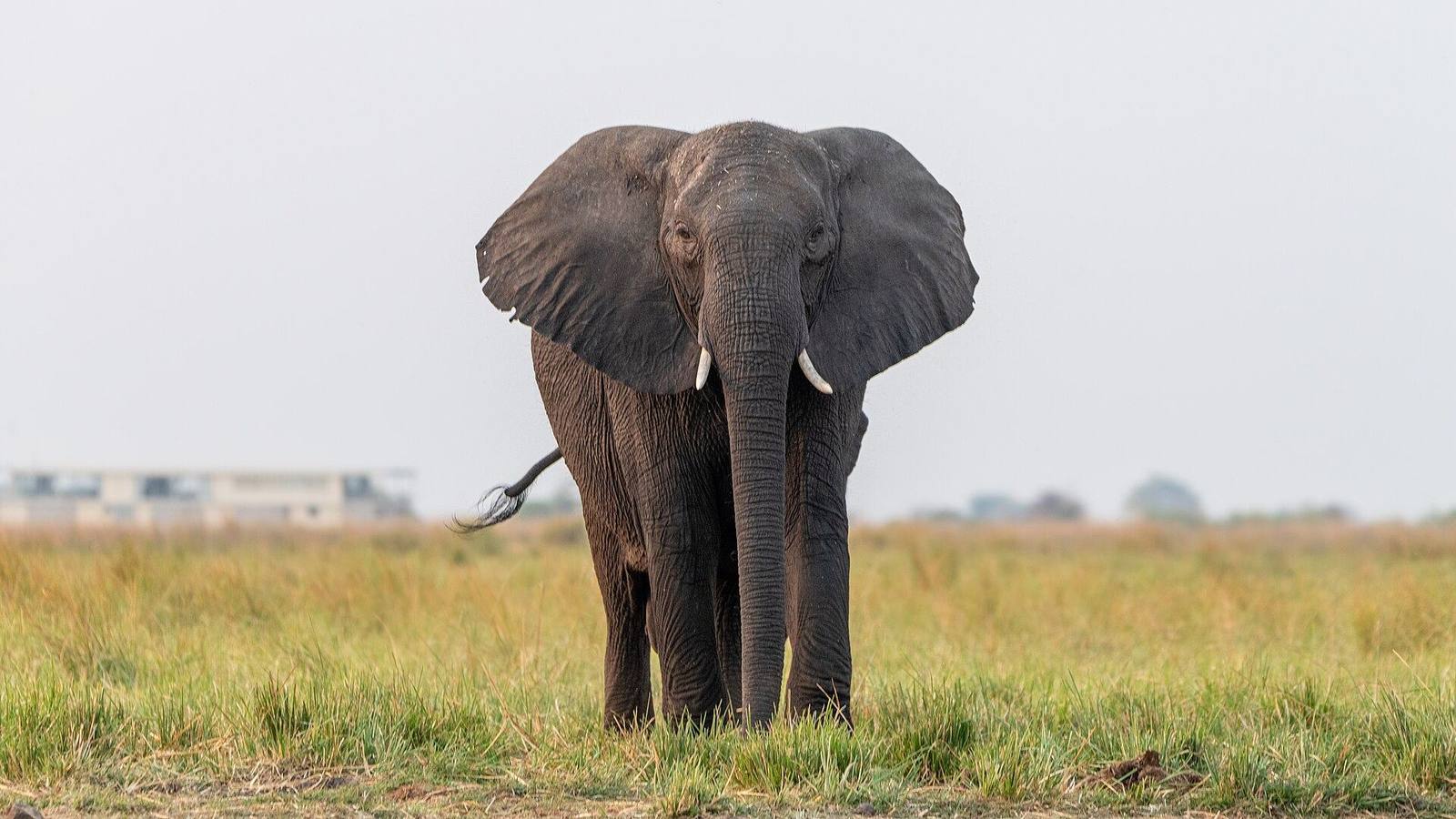
Beyond the Okavango, Botswana's Chobe National Park offers some of Africa's largest elephant herds — 50,000 animals who gather at the Chobe River in the dry season in numbers that must be seen to be believed. The Moremi Game Reserve, within the Okavango system, provides the finest year-round game viewing in the Delta. And the remote Central Kalahari Game Reserve — one of the world's largest protected areas — offers a completely different, austere wilderness experience for the most adventurous traveler.
Botswana's commitment to conservation has produced tangible results: wildlife populations that are thriving, ecosystems that are recovering, and a safari experience that feels genuinely pristine. For travelers and travel professionals who want Africa at its most authentic and least compromised, Botswana is the answer.
Signature Experiences
Best Time to Visit
Botswana's dry season (May–October) is the optimal time for safari. As water retreats, wildlife concentrates along remaining water sources, making predator-prey interactions frequent and dramatic. July through October offers the most intense game viewing, particularly for large elephant aggregations at Chobe. The wet season (November–April) transforms the landscape into a lush green wilderness, with the Okavango flooding at its most spectacular from March onwards — creating extraordinary water-based safari opportunities.
Key Areas & Sub-Destinations
Practical Tips
Most safari camps in Botswana are reached by small charter aircraft — road access exists but is largely impractical for tourist itineraries. All-inclusive rates are the norm: accommodation, meals, activities, and park fees are typically bundled. Botswana's premium pricing reflects the conservation-first approach and the low bed-per-acre density of its wilderness areas. Malaria prophylaxis is essential for the northern wetland areas.
Best For
→ Plan your Botswana journey — submit an enquiry to receive a tailor-made proposal.
How to plan Botswana
Botswana's dry season (May–October) is the optimal time for safari. As water retreats, wildlife concentrates along remaining water sources, making predator-prey interactions frequent and dramatic. July through October offers the most intense game viewing, particularly for large elephant aggregations at Chobe. The wet season (November–April) transforms the landscape into a lush green wilderness, with the Okavango flooding at its most spectacular from March onwards — creating extraordinary water-based safari opportunities.
Okavango Delta — the crown jewel, UNESCO World Heritage Site, Chobe National Park — elephant capital of Africa, Moremi Game Reserve — the best year-round game area in the Delta, Savuti — famous lion and elephant interactions
Conservation-conscious travelers, Luxury safari enthusiasts seeking exclusivity, Wildlife photographers, Couples and honeymooners wanting remote romance, Experienced Africa travelers seeking something beyond the ordinary
- Mokoro (dugout canoe) excursions through the Okavango Delta papyrus channels
- Game drives in Moremi Game Reserve — the finest in-Delta wildlife area
- Chobe River boat safaris with the world's highest concentration of elephants
- Walking safaris on Okavango Delta islands with expert guides
- Light aircraft transfers connecting Delta camps — the Botswana way
- Wild dog tracking — Botswana has one of Africa's largest wild dog populations
- Kwando, Linyanti, and Savuti marshes — remote northern Botswana ecosystems
- Night drives in private concession areas (not available in national parks)
- Horseback safaris through the Delta for qualified riders