Overview
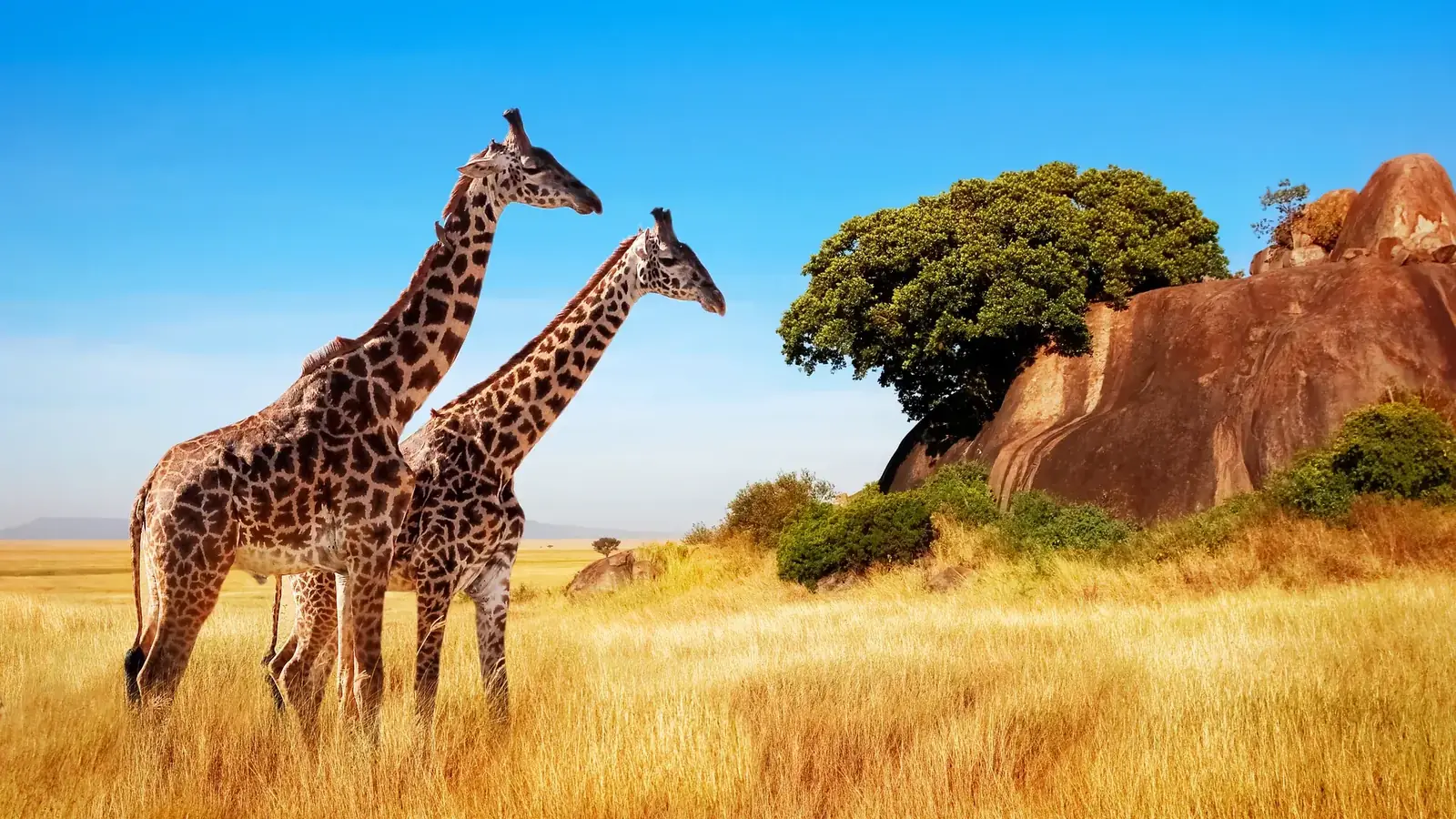
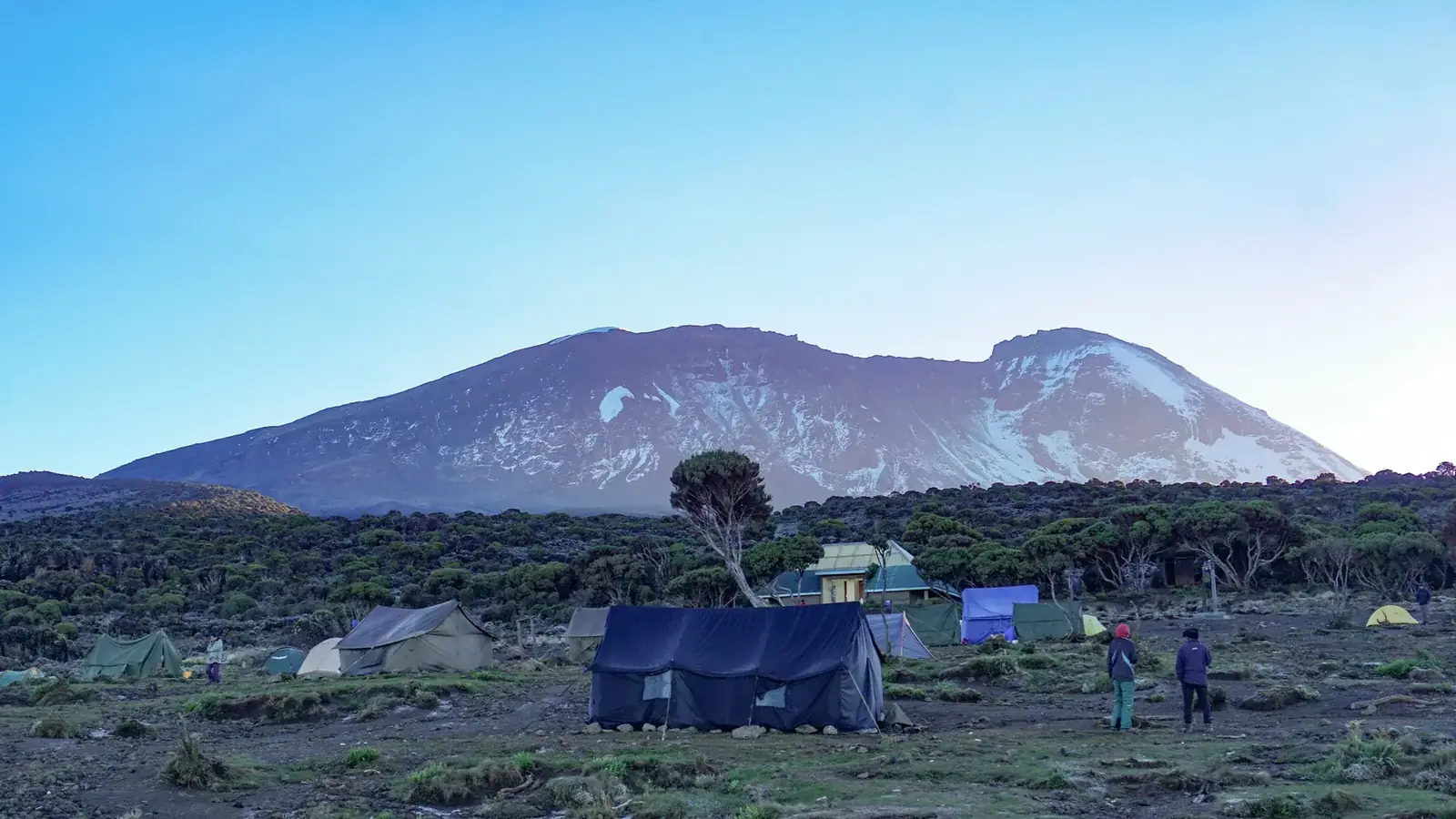
Tanzania is the home of some of the most iconic wildlife destinations in the world — and a country whose landscapes, from the ancient volcanic craters of the Rift Valley to the coral atolls of the Zanzibar Archipelago, are as extraordinary as its wildlife. It is the stage for the southern half of the Great Wildebeest Migration, the location of the world's largest unflooded volcanic caldera, and the country at whose border the snows of Kilimanjaro — Africa's highest peak — rise to 5,895 metres.
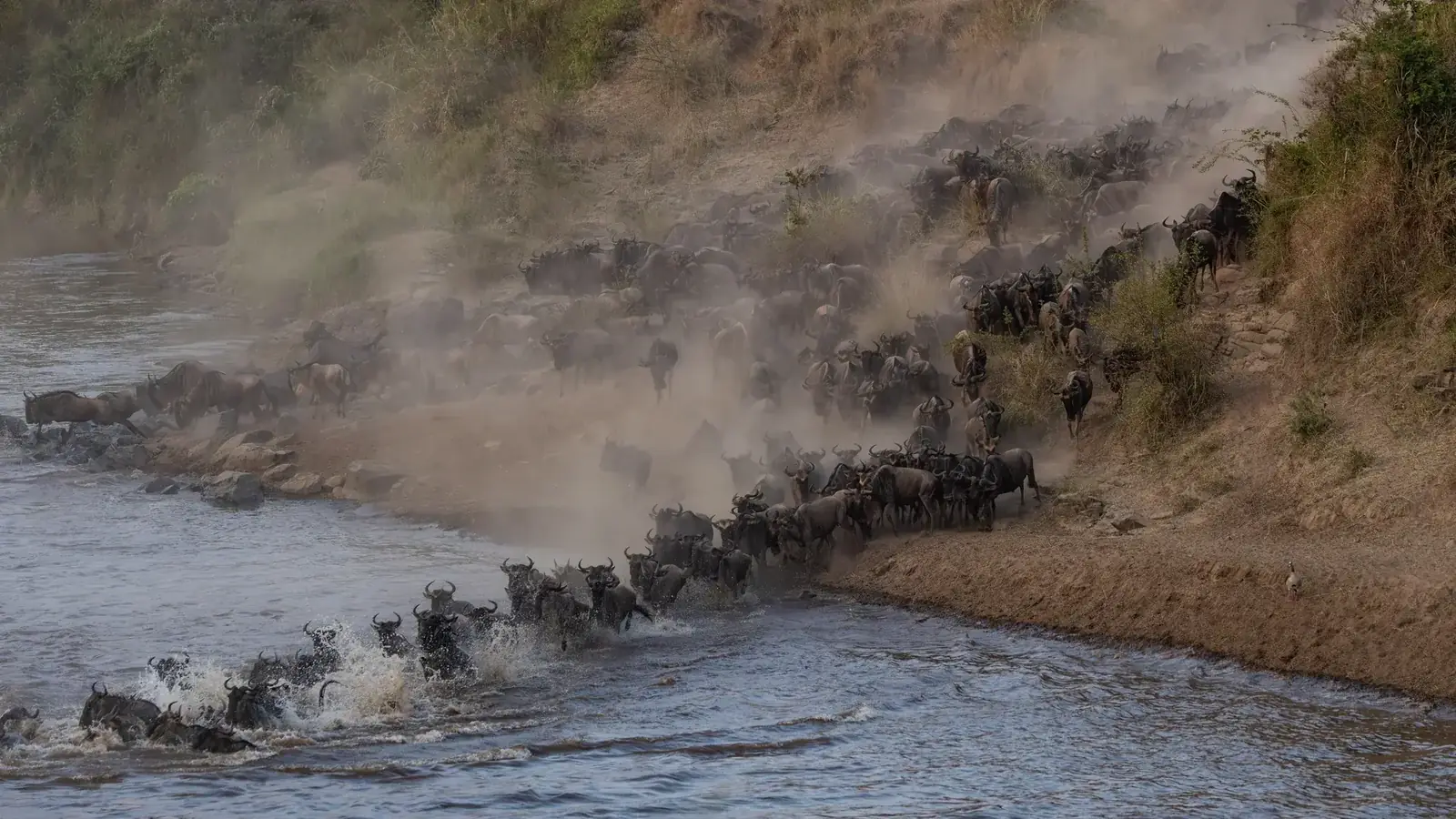
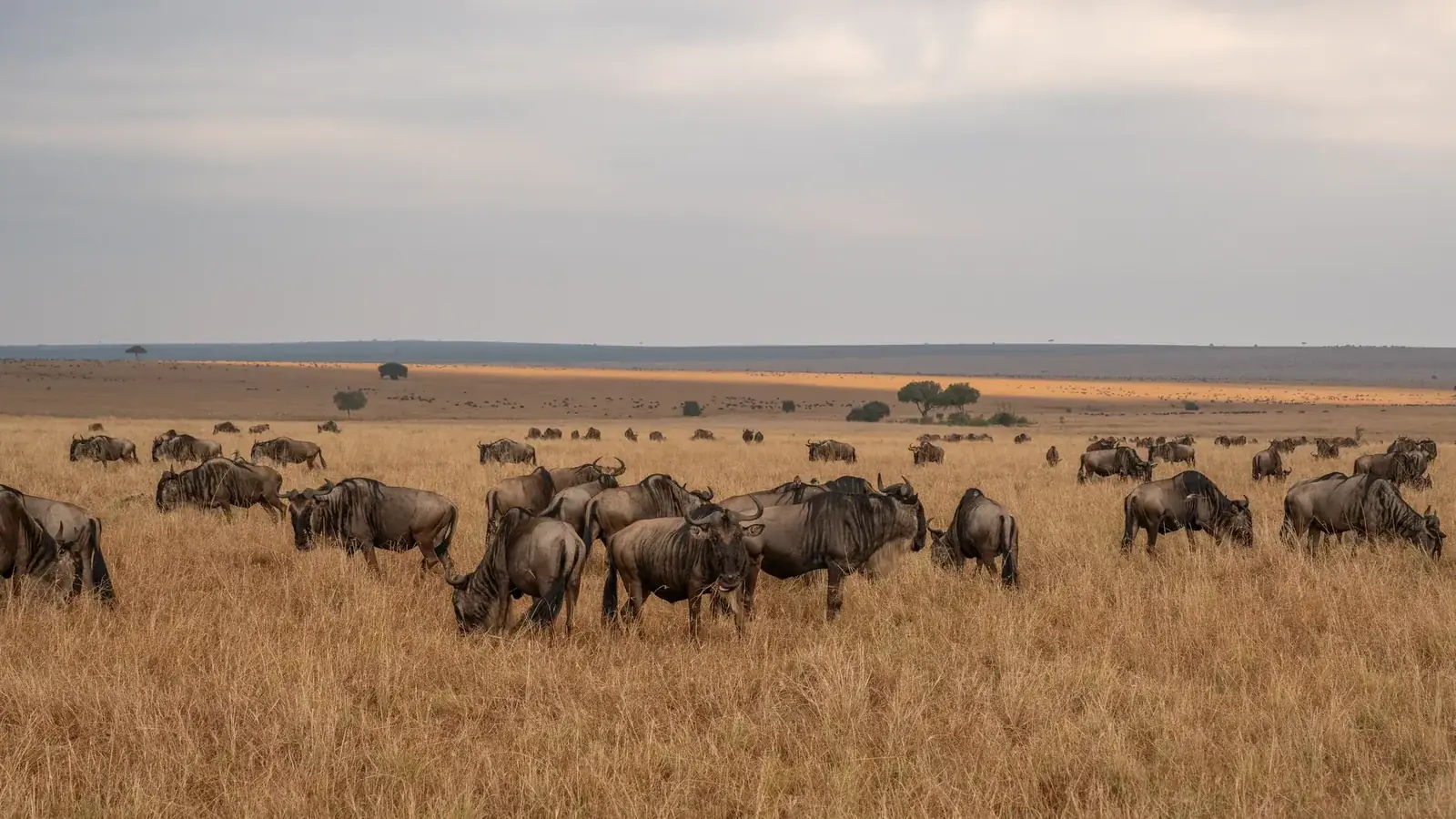
The Serengeti ecosystem is Tanzania's most celebrated attraction — a 30,000 square kilometre protected area that forms the southern section of the Serengeti-Mara corridor and hosts the Great Migration for the majority of the year. The Serengeti is the place where the migration calves between January and March, and where vast herds of wildebeest gather before the annual northward push toward the Mara River.
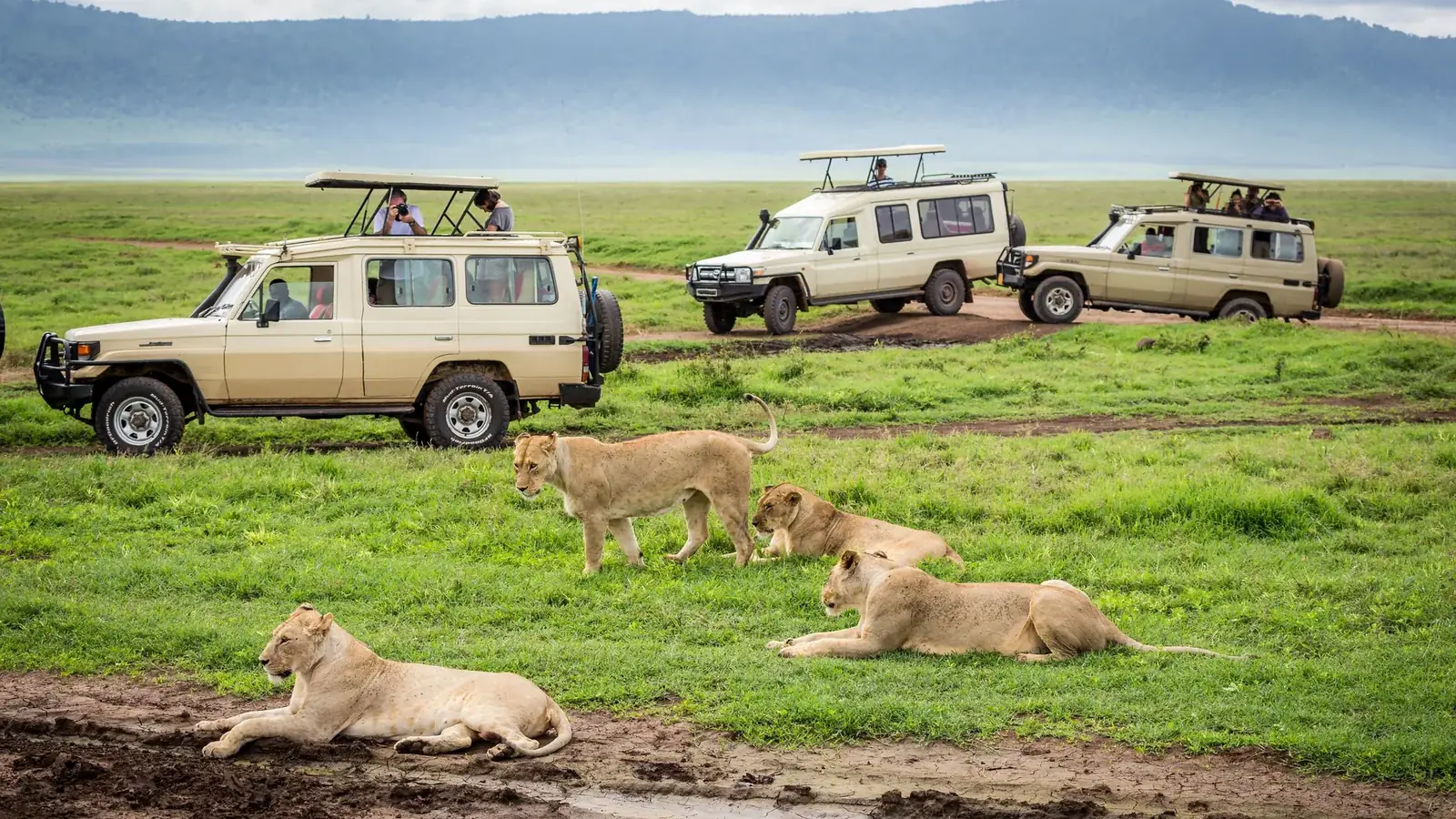
The Ngorongoro Conservation Area, immediately east of the Serengeti, contains the Ngorongoro Crater — a 260-square-kilometre caldera that was formed when a massive volcano collapsed some three million years ago. The crater floor supports over 25,000 large mammals, including one of Africa's largest concentrations of lions, a thriving black rhino population, enormous elephant bulls, and year-round flamingos at the soda lake in the centre. Descending into the crater is one of Africa's most extraordinary game-viewing experiences.
Tanzania's southern circuit — the Selous Game Reserve (now Nyerere National Park) and Ruaha National Park — offers a completely different safari experience: wilder, less visited, and more adventurous. The Selous is one of Africa's largest protected areas and a UNESCO World Heritage Site with exceptional boat safaris, walking safaris, and a more intimate bush atmosphere than the northern circuit.
Signature Experiences
Best Time to Visit
Tanzania's northern safari circuit is best visited in the dry season (June–October) for the most productive game viewing. The Serengeti's calving season (January–February) is the other outstanding window — extraordinary wildlife density and dramatically fewer visitors than peak season. Zanzibar is pleasant year-round with occasional rain from April through May. Kilimanjaro climbs are best in January–March and June–October, avoiding the short and long rain seasons.
Key Areas & Sub-Destinations
Practical Tips
Tanzania requires a visa for most nationalities — available online in advance or on arrival. Yellow fever certificate is required for travelers arriving from endemic countries. Malaria prophylaxis is essential for all safari and coastal areas. Internal charter flights connect the main safari circuits efficiently from Kilimanjaro International Airport (JRO) or Julius Nyerere International Airport in Dar es Salaam.
Best For
→ Plan your Tanzania journey — submit an enquiry to receive a tailor-made proposal.
How to plan Tanzania
Tanzania's northern safari circuit is best visited in the dry season (June–October) for the most productive game viewing. The Serengeti's calving season (January–February) is the other outstanding window — extraordinary wildlife density and dramatically fewer visitors than peak season. Zanzibar is pleasant year-round with occasional rain from April through May. Kilimanjaro climbs are best in January–March and June–October, avoiding the short and long rain seasons.
Serengeti National Park — the world's most famous wildlife reserve, Ngorongoro Conservation Area — crater, highlands, and Maasai territory, Tarangire National Park — elephants and baobabs, off-the-beaten-track, Lake Manyara National Park — tree-climbing lions, flamingos
Wildlife and safari enthusiasts, Migration-focused travelers, Honeymooners on a bush-and-beach circuit, Mountain climbers targeting Kilimanjaro, Trade partners building Tanzania-Zanzibar combination itineraries
- Great Wildebeest Migration in the Serengeti — year-round, peaking January–February (calving) and June–July (northward movement)
- Ngorongoro Crater descent and full-day floor game drive
- Hot air balloon over the Serengeti at sunrise
- Serengeti big cat tracking — lion, leopard, and cheetah
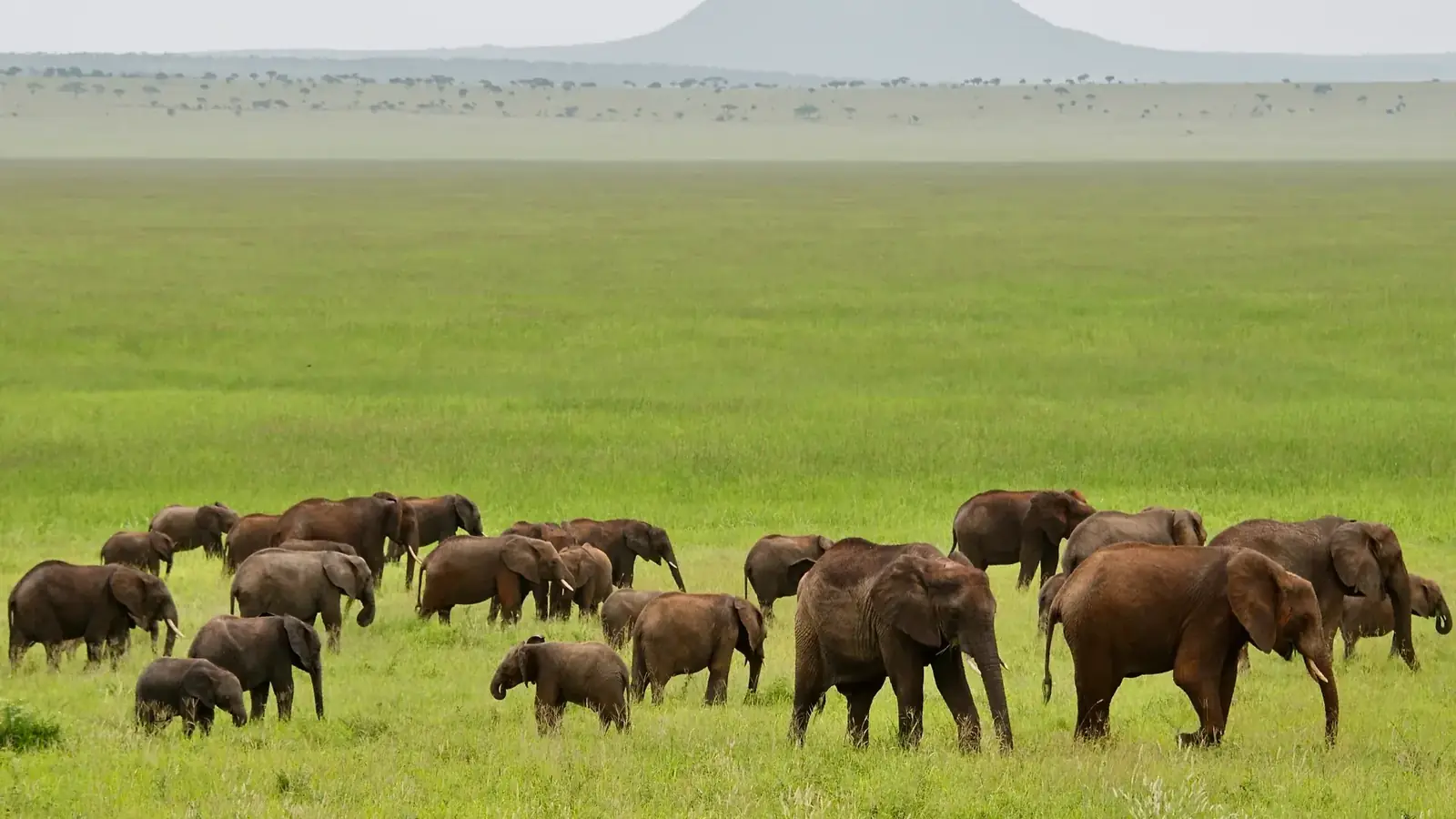
- Tarangire National Park — elephant herds and ancient baobabs
- Walking safaris and boat safaris in Nyerere National Park (Selous)
- Lake Manyara National Park — tree-climbing lions and flamingo-ringed lake
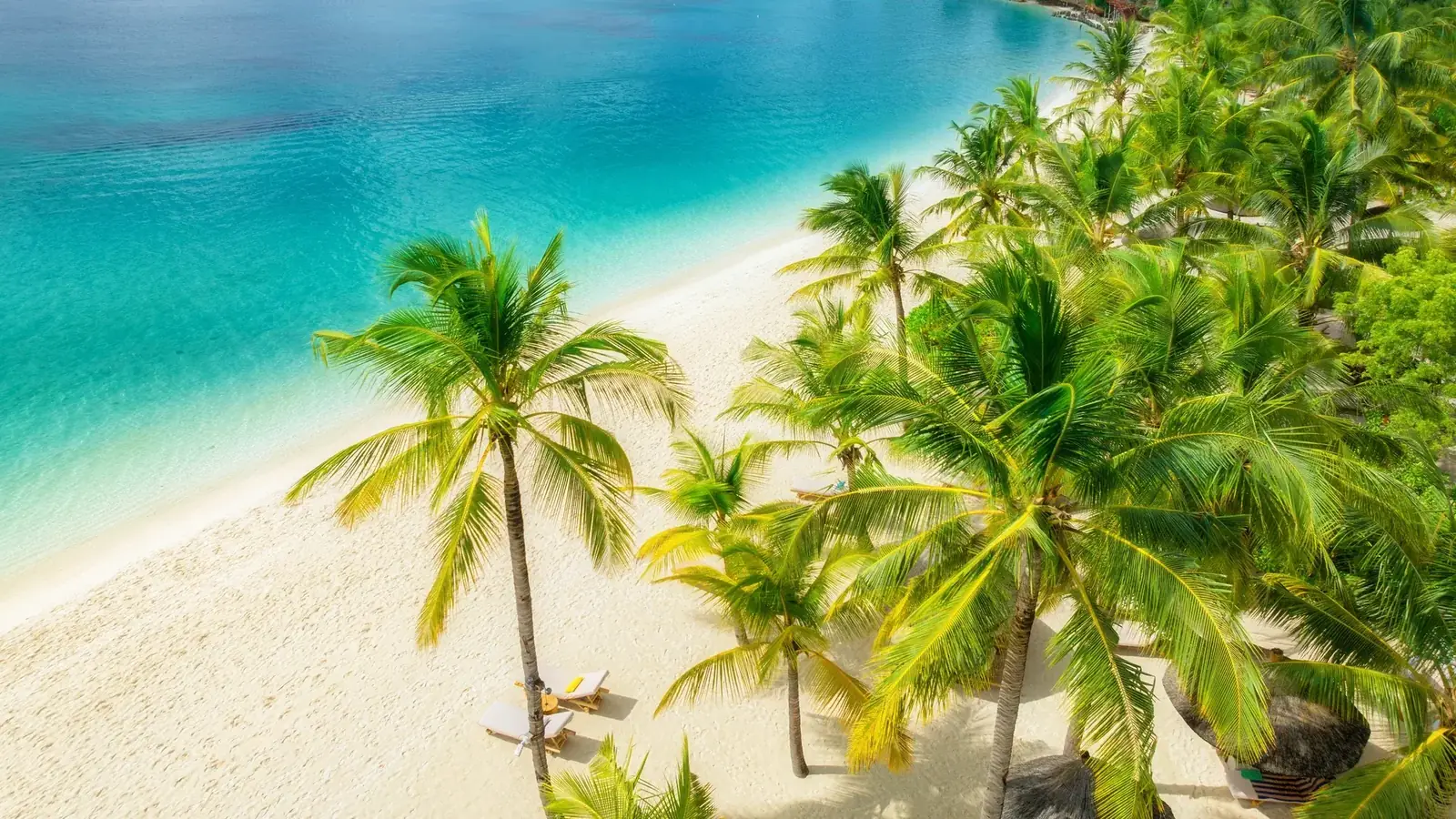
- Zanzibar beach extension — Stone Town, Nungwi, and Mnemba Atoll
- Mount Kilimanjaro summit expedition
- Chimpanzee trekking in Mahale Mountains National Park